تعجب میکنید چرا درایوهای فرکانس متغیر (VFD/اینورترها) برای سیستمهای تهویه مطبوع تجاری و صنعتی استاندارد هستند؟ درباره صرفهجویی انرژی VFD، افزایش طول عمر، سازگاری با BMS و انطباق با کدها برای چیلرها، فنهای AHU و پمپهای برج خنککننده بیاموزید.
مقدمه
اگر به دنبال راهکارهای صرفهجویی انرژی HVAC، اینورتر سرعت متغیر HVAC یا VFD برای واحدهای هواساز هستید، یک فناوری بهطور مداوم در صدر توصیههای صنعت قرار دارد: درایو فرکانس متغیر (VFD)، که بهطور گسترده با نام اینورتر AC یا مبدل فرکانس نیز شناخته میشود.
سیستمهای HVAC تجاری، صنعتی و حتی مسکونی پیشرفته امروزی برای تأمین توان فنهای رفت و برگشت AHU، پمپهای آب سرد، فنهای برج خنککننده و کمپرسورهای چیلر به موتور متکی هستند. موتورهای سنتی با سرعت ثابت همیشه با توان کامل ۲۴/۷ کار میکنند، حتی زمانی که نیاز به سرمایش، گرمایش یا تهویه بهشدت کاهش مییابد. دمپرها، شیرهای بایپس و چرخههای روشن/خاموش مقدار زیادی برق هدر میدهند، فرسایش مکانیکی را افزایش میدهند و کنترل پایدار شرایط اقلیمی داخل ساختمان را فراهم نمیکنند.
برای مدیران تأسیسات، پیمانکاران HVAC، مهندسان مکانیک و مالکان ساختمان، یکپارچهسازی VFD دیگر یک ارتقای اختیاری نیست — بلکه یک الزام اصلی برای هر سیستم HVAC مدرن، منطبق با استانداردها و مقرونبهصرفه است. در ادامه مزایای غیرقابل جایگزین درایوهای فرکانس متغیر برای HVAC و دلیل اینکه هر پروژه ساخت جدید یا بازسازی باید فناوری VFD را شامل شود، بررسی میکنیم.
درایو فرکانس متغیر (VFD) برای HVAC چیست؟
درایو فرکانس متغیر یک کنترلکننده الکترونیکی موتور است که ولتاژ ورودی و فرکانس AC را تنظیم میکند تا سرعت چرخش یک موتور القایی را در زمان واقعی تغییر دهد. برخلاف سیستمهای سرعت ثابت که موتور را روی حداکثر دور در دقیقه قفل میکنند، VFDهای مخصوص HVAC سیگنالهای لحظهای را از حسگرهای دما، CO₂، جریان هوا و فشار دریافت میکنند تا خروجی موتور را دقیقاً با نیاز بار ساختمان هماهنگ کنند.
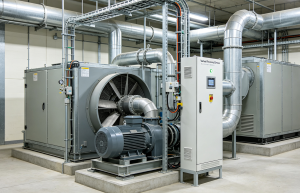
تجهیزات رایج HVAC که توسط اینورترهای VFD کنترل میشوند:
فنهای رفت و برگشت AHU
پمپهای گردش آب سرد/گرم
پمپهای آب کندانسور
موتورهای فن برج خنککننده
کمپرسورهای چیلر اسکرال و گریز از مرکز
فنهای تهویه اگزاست برای پارکینگها و اتاقهای تمیز
بهجای هدر دادن انرژی با مسدود کردن جریان هوا/آب توسط دمپرهای مکانیکی، VFDها بهسادگی سرعت موتور را کاهش میدهند تا مصرف توان را از منبع کاهش دهند.
۱. صرفهجویی عظیم انرژی (دلیل شماره ۱ جستجو برای VFDهای HVAC)
پرجستجوترین عبارت کلیدی آنلاین، صرفهجویی انرژی VFD HVAC است و دلیل خوبی دارد: فنها و پمپهای گریز از مرکز از قوانین تشابه فن پیروی میکنند — مصرف توان موتور با توان سوم سرعت موتور تغییر میکند.
کاهش سرعت فن به میزان ۲۰٪ → تقریباً ۵۰٪ مصرف برق کمتر
کاهش سرعت موتور به نصف → تا ۹۰٪ کاهش انرژی
در بیشتر ساختمانهای اداری، مراکز خرید، هتلها و کارخانهها، سیستمهای HVAC فقط ۵٪ تا ۱۵٪ از زمان کار سالانه با بار کامل فعالیت میکنند. شبها، آخرهفتهها، ساعات کمتراکم و دمای ملایم بیرونی شرایط بار جزئی ایجاد میکنند که در آن موتورهای سرعت ثابت برق غیرضروری مصرف میکنند.
دادههای پروژههای واقعی تأیید میکنند که بازسازیهای مجهز به VFD باعث کاهش ۲۰٪ تا ۶۰٪ هزینههای انرژی HVAC میشوند و دوره بازگشت سرمایه معمولاً ۱۲ تا ۲۴ ماه است. بسیاری از دولتها و ارائهدهندگان خدمات عمومی برای نصب اینورترهای HVAC جهت دستیابی به اهداف کاهش کربن، تخفیفهای نقدی ارائه میکنند که ROI را بیشتر کوتاه میکند.
استانداردهای جهانی انرژی ASHRAE 90.1 و کدهای مدرن ساختمان اکنون برای تمام موتورهای HVAC بالاتر از ۵HP در ساختوسازهای تجاری جدید، استفاده از درایوهای فرکانس متغیر را الزامی کردهاند و VFDها را به یک الزام قانونی بهجای یک افزونه لوکس تبدیل کردهاند.
۲. راهاندازی نرم و افزایش طول عمر تجهیزات HVAC
یکی از عبارات جستجوی ثانویه مهم، کاهش هزینه نگهداری HVAC با VFD است که توسط تیمهای مکانیکی خسته از تعویض مکرر یاتاقان فن، آببند پمپ و کوپلینگها جستجو میشود.
موتورهای سرعت ثابت هنگام راهاندازی جریان هجومی بسیار زیادی میکشند و شوک مکانیکی شدیدی ایجاد میکنند که به مرور زمان به پرههای فن، پروانههای پمپ، تسمهها و گیربکسها آسیب میزند. درایوهای فرکانس متغیر HVAC دارای کنترل رمپ راهاندازی نرم داخلی هستند: موتورها طی ۱۰ تا ۱۲۰ ثانیه بهآرامی شتاب میگیرند و جهشهای ناگهانی گشتاور را حذف میکنند.
مزایای اضافی کاهش فرسایش:
عدم وجود چرخههای سخت و مکرر روشن/خاموش که به کمپرسورها فشار وارد میکند
کاهش لرزش عملیاتی و خستگی مکانیکی
کاهش ضربه قوچ در حلقههای پمپ هیدرونیک
اپراتورهای تأسیسات پس از نصب VFD، افزایش طول عمر سرویس فنها، پمپها و چیلرها تا ۵۰٪ را گزارش کردهاند که هزینه قطعات یدکی سالانه و نیروی کار را بهطور قابل توجهی کاهش میدهد.
۳. کنترل دقیق و پایدار اقلیم داخلی و کیفیت هوا
جستجوهایی مانند کنترل بهتر دما در HVAC با VFD نشاندهنده نیاز ساکنان و بیماران به آسایش یکنواخت بدون نقاط گرم/سرد هستند.
سیستمهای سرعت ثابت از دریچهگذاری مکانیکی ساده استفاده میکنند که باعث جریان هوای نامتوازن، نوسان دمای اتاق و سطوح ناپایدار رطوبت میشود. اینورترهای HVAC امکان تنظیم بینهایت سرعت را فراهم میکنند و اجازه میدهند جریان هوا و آب بر اساس قرائتهای زنده حسگرها بهصورت دقیق تنظیم شود:
حفظ سطح ثابت CO₂ با استفاده از سرعت متغیر فن تهویه
پایدارسازی دمای تأمین آب سرد برای چیلرها
حذف تهویه بیشازحد و ایجاد جریان هوای ناخوشایند در مناطق اداری
کارکرد برجهای خنککننده با سرعت پایین برای حفظ دمای پایدار آب کندانسور
برای اتاقهای تمیز، بیمارستانها، آزمایشگاهها و سیستمهای HVAC مراکز داده، VFDها فشار تفاضلی و محدودههای مجاز دمایی حیاتی را حفظ میکنند که سیستمهای سرعت ثابت نمیتوانند بهطور قابل اعتماد به آن دست یابند. VFDها همچنین صدای پسزمینه فن را در ساعات بار کم کاهش میدهند و برای محیطهای آرام اداری، هتلی و پزشکی ایدهآل هستند.
۴. یکپارچهسازی بینقص با BMS، PLC و اتوماسیون ساختمان هوشمند
اپراتورهای مدرن ساختمانهای هوشمند بهطور مکرر به دنبال ارتباط HVAC VFD با BMS هستند، زیرا قابلیت همکاری برای مدیریت متمرکز تأسیسات غیرقابلچشمپوشی است.
درایوهای فرکانس متغیر HVAC که بهصورت اختصاصی طراحی شدهاند، از تمام پروتکلهای ارتباطی صنعتی رایج (Modbus RTU/TCP، BACnet IP، CANopen) پشتیبانی میکنند و امکان اتصال مستقیم به سیستمهای مدیریت ساختمان (BMS)، PLCها و پلتفرمهای SCADA را فراهم میسازند. قابلیتهای کلیدی اتوماسیون که توسط اینورترهای VFD فعال میشوند:
پروفایلهای سرعت زمانبندیشده فن/پمپ برای عملکرد در روزهای کاری و آخر هفته
پایش از راه دور و لحظهای بار موتور، مصرف انرژی و کدهای خطا
متعادلسازی خودکار بار در میان بانکهای فن موازی و آرایههای پمپ
اعلانهای هشدار برای داغشدن بیش از حد، جریان هوای کم یا خطاهای موتور
این کار نیاز به سختافزار کنترل DDC اضافی و پرهزینه را حذف میکند، سیمکشی سیستم را سادهتر میسازد و بهینهسازی مبتنی بر داده HVAC را برای گزارشدهی پایداری و انطباق با ممیزی انرژی امکانپذیر میکند.
۵. کاهش ردپای کربن و انطباق با ESG
مالکان ساختمانها در سراسر جهان برای دستیابی به اهداف ESG شرکتی، گواهیهای ساختمان سبز (LEED، BREEAM) و ضربالاجلهای کربن خالص صفر، به دنبال کاهش کربن با VFDهای HVAC هستند.
سیستمهای HVAC در سراسر جهان ۴۰٪ تا ۶۰٪ از کل مصرف برق ساختمانهای تجاری را به خود اختصاص میدهند. کاهش مصرف توان فنها و پمپها با اینورترهای VFD مستقیماً تقاضای انرژی محل و انتشار گازهای گلخانهای مرتبط را کاهش میدهد. بسیاری از سیستمهای رتبهبندی ساختمان سبز برای نصب درایوهای سرعت متغیر روی تمام بارهای اصلی موتور HVAC امتیاز اضافی ارائه میکنند؛ این یک ارتقای ساده برای افزایش امتیاز گواهی بدون جایگزینی کامل سیستم است.
۶. سازگاری انعطافپذیر برای نوسازی واحدهای HVAC قدیمی و جدید
یکی از اهداف جستوجوی پرتکرار، نصب VFD روی سیستم HVAC موجود است که نشان میدهد VFDها هم برای ساختهای جدید HVAC و هم برای ارتقای تجهیزات قدیمی با سرعت ثابت کاربرد دارند.
مبدلهای فرکانس اختصاصی HVAC از موتورهای تکفاز و سهفاز در تمام ردههای استاندارد ولتاژ (230V، 400V، 460V، 690V) پشتیبانی میکنند. بیشتر مدلها شامل کنترلکنندههای PID داخلی، فیلترهای EMC و حفاظت حرارتی بهینهشده برای محیطهای اتاق مکانیکی مرطوب و مستعد گردوغبار هستند. چه مالک یک واحد پکیج پشتبامی، یک واحد چیلر مرکزی یا یک خط مستقل AHU باشید، یک اینورتر VFD با اندازهگذاری مناسب میتواند بدون تعویض کامل موتور یا کانالکشی نصب شود.
باور اشتباه رایج: «دمپرها و شیرها میتوانند جایگزین VFDها شوند»
بسیاری از خریداران جدید HVAC جستوجو میکنند که آیا محدودسازی مکانیکی جریان مانند درایوهای فرکانس متغیر عمل میکند یا خیر؛ پاسخ کوتاه خیر است. دمپرها و شیرها فقط جریان را محدود میکنند؛ موتورها همچنان با سرعت کامل کار میکنند و انرژی را با تبدیل توان اضافی به گرما، صدا و تنش مکانیکی هدر میدهند. VFDها توان ورودی را از منبع کاهش میدهند و با حذف کامل تلفات ناشی از محدودسازی جریان هوا، بهرهوری بسیار بالاتر و عمر طولانیتر تجهیزات را فراهم میکنند.
نتیجهگیری
از کاهش هزینه انرژی و افزایش عمر مفید تجهیزات گرفته تا کنترل دقیق اقلیم، یکپارچهسازی با ساختمان هوشمند و انطباق با استانداردهای جهانی، درایوهای فرکانس متغیر عملکردی بیجایگزین برای هر نصب مدرن HVAC ارائه میدهند. چه در حال طراحی یک کارخانه صنعتی جدید HVAC باشید، چه در حال نوسازی واحدهای هواساز هتل یا ارتقای پمپهای سرمایشی مرکز داده، یک اینورتر VFD باکیفیت HVAC فقط یک ارزش افزوده نیست — بلکه یک جزء اصلی ضروری است.
اگر در حال بررسی درایو فرکانس متغیر مناسب برای کاربرد فن، پمپ یا چیلر HVAC خود هستید، مدلهایی را در اولویت قرار دهید که بهطور ویژه برای چرخههای کاری HVAC مهندسی شدهاند و دارای ارتباط داخلی BACnet، محدودههای گسترده عملکرد دمایی و پشتیبانی فنی جهانی برای پروژههای تجاری و صنعتی بینالمللی هستند.



 فارسی
فارسی English
 français
 русский
 español
 português
 العربية
 Türkçe
 ไทย
ไทย Tiếng Việt


 پشتیبانی از شبکه ipv6